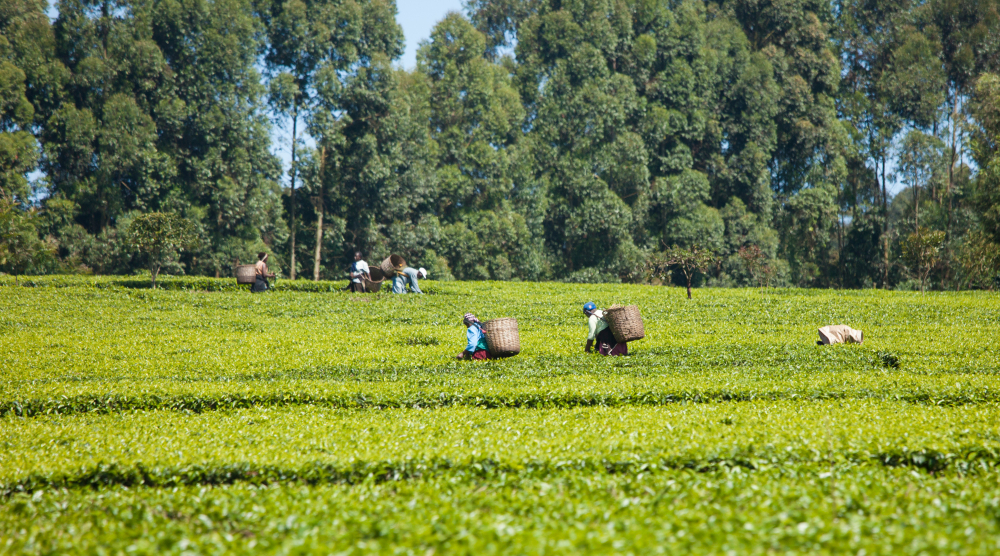
Global commodity demand is driving rapid changes in land use across the Global South, with profound impacts on both nature and local communities. In Kenya’s Kericho County, where vast tea estates border the biodiverse yet vulnerable Mau Forest reserve, a four-year action research project is documenting these shifts from the ground up. Led by conservation scientist Dr Joseph Hitimana from the University of Kabianga—and in partnership with the Natural Resources Institute and Wageningen University—the project is part of the EU-funded Transformative Change for Biodiversity and Equity (TCforBE) initiative.
During an intensive fieldwork phase, the team immersed themselves in local communities, using participatory visual methods to capture “rural imaginaries”: the collective ways in which residents perceive their identities, relationships, and place in the landscape. Techniques such as participatory photography, storytelling, focus groups, and collage-making have provided unique insights into how traditional practices and cultural values are being reshaped by global agro-food supply chains. These methods not only document the visible environmental changes—such as deforestation and habitat loss—but also reveal the less tangible social impacts, including shifts in communal relationships and traditional livelihoods.
The research is shedding light on the hidden consequences of industrial agricultural expansion, while also exploring pathways for transformative change that empower local voices. By engaging directly with affected communities, the project aims to identify deep leverage points for reconfiguring agro-food systems to better support biodiversity conservation and social justice. Insights from the Kenyan fieldwork are set to guide further participatory research in Cameroon and Colombia, and will feed into ongoing social learning processes that involve a diverse array of stakeholders—from local community members to international policy-makers.